
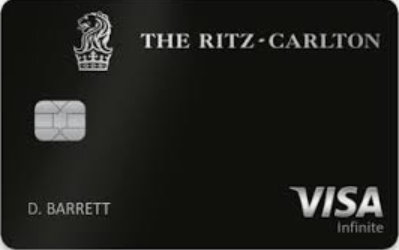
The Chase Ritz-Carlton Credit Card has long been considered one of the most exclusive luxury hotel credit cards available—but it’s also one of the most misunderstood. While it offers some genuinely best-in-class benefits, it comes with notable drawbacks and a unique acquisition process that keeps it out of reach for many people. I recently became a Ritz-Carlton cardholder, and here’s why I ultimately decided it was worth adding to my wallet.
Within the Marriott ecosystem, there are two major credit card issuers: American Express and Chase. This stems from Marriott’s merger history, which resulted in long-standing partnerships with both banks. Today, that competition has created a full spectrum of cards, from entry-level products to high-end luxury options. At the top of the American Express lineup is the Bonvoy Brilliant Card, while Chase’s flagship offering is the Ritz-Carlton Card.
The Amex Bonvoy Brilliant carries a $650 annual fee and includes Marriott Platinum status, a $300 dining credit broken into monthly increments, and an 85,000-point free night certificate that can be topped off to 100,000 points. That certificate alone can often be redeemed for hotel stays worth $500 to $1,000 per night, making it a very compelling benefit.
On the Chase side, the Ritz-Carlton Card immediately feels premium. It’s a sleek black metal card branded by one of the most recognizable luxury hotel brands in the world. However, getting the card isn’t straightforward. You can’t apply for it directly. Instead, you must first hold another Chase Marriott card—such as the Boundless—for at least a year and typically have a minimum $10,000 credit limit before requesting a product upgrade. Once eligible, the upgrade process itself is surprisingly quick and easy.
One of the biggest advantages of the Ritz-Carlton Card is its $450 annual fee, which is relatively low for a luxury hotel card. In return, you receive a $300 annual travel credit that can often be applied more flexibly than advertised, though it does require a phone call to redeem. You also receive an 85,000-point free night certificate, which—when used strategically—can deliver outsized value at high-end properties like St. Regis, JW Marriott, or even select Ritz-Carlton locations.
Another standout feature is the card’s travel protections and lounge access. The Ritz-Carlton Card offers excellent insurance benefits, including primary rental car coverage and strong trip and baggage protections. It’s also considered one of the best lounge access cards available because it allows unlimited authorized users at no additional cost, each with Priority Pass access and guest privileges.
That said, the card isn’t perfect. The earning rates are mediocre, especially given the relatively low value of Marriott points. Even more disappointing is the fact that the card only includes Marriott Gold status, not Platinum. For a card branded by Ritz-Carlton, that’s a significant miss.
Despite those flaws, the Chase Ritz-Carlton Card remains a powerful option for travelers who value premium perks, lounge access, and free night certificates over everyday spending rewards. For the right person, it’s still one of the most compelling luxury hotel cards on the market.

